


Description
GRAPES
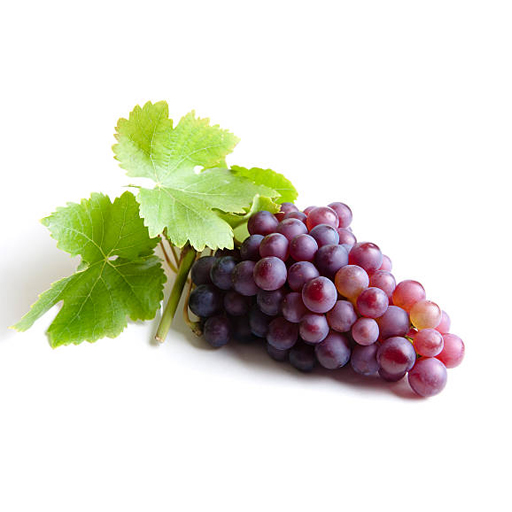
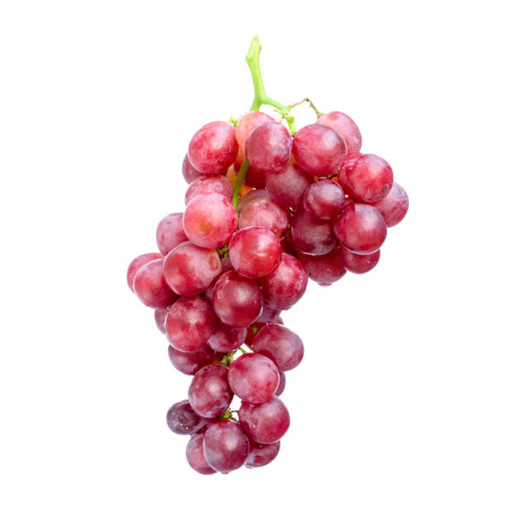
Grapes are a type of fruit that grow in clusters of 15 to 300, and can be crimson, black, dark blue, yellow, green, orange, and pink. “White” grapes are actually green in color, and are evolutionarily derived from the purple grape.
Raw grapes are 81% water, 18% carbohydrates, 1% protein, and have negligible fat (table). A 100 gram reference amount of raw grapes supplies 69 calories and a moderate amount of vitamin K (14% of the Daily Value)
According to the Food and Agriculture Organization (FAO), 75,866 square kilometers of the world are dedicated to grapes. Today, 72 million tons of grapes are grown each year worldwide
A diet that is rich in fruits and vegetables has been linked to a reduced risk of various conditions, including heart disease, diabetes, cancer, and obesity.
Grapes contain fiber and potassium, both of which support heart health.
Grapes have a high potassium content. This suggests they can help reduce the effects of sodium in people with high blood pressure.
The vitamins, minerals, and fiber in grapes make them a healthful way to satisfy a sweet tooth.
Grapes contain the antioxidants lutein and zeaxanthin, which can help maintain eye health.
Grapes also contain vitamins B and A, and they are high in water content.
The best way to eat grapes is as a fresh fruit. Most grape jellies or spreads, and juices have added sugars, and they can be high in calories.
Both red and green grapes contain resveratrol, but red grapes, and specifically their skins, contain more.



Reviews
There are no reviews yet.