


Description
Peaches
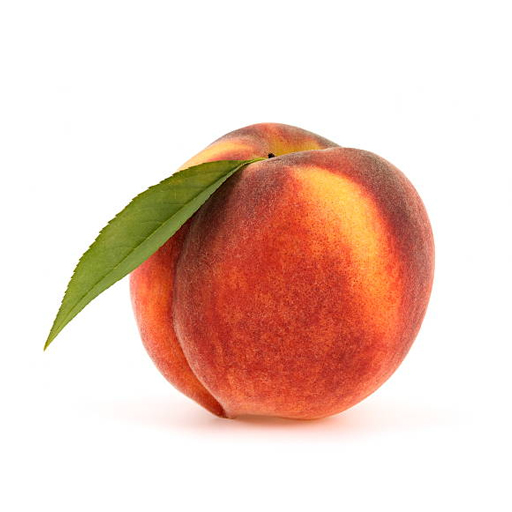
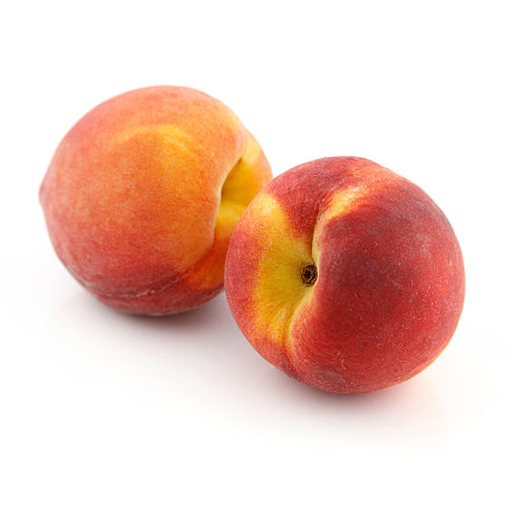
Peaches — or Prunus persica — are small fruit with a fuzzy peel and a sweet white or yellow flesh.
The specific name persica refers to its widespread cultivation in Persia (modern-day Iran), from where it was transplanted to Europe.
Peaches are related to plums, apricots, cherries, and almonds. They’re considered drupes or stone fruit because their flesh surrounds a shell that houses an edible seed.
They can be eaten on their own or added to a variety of dishes. What’s more, peaches are nutritious and may offer an array of health benefits, including improved digestion, smoother skin, and allergy relief.
Peaches are rich in many vitamins, minerals, and beneficial plant compounds.
Peaches also offer smaller amounts of magnesium, phosphorus, iron, and some B vitamins.
They also contain beneficial plant compounds like antioxidants, which can help protect your body from aging and disease.
One medium-sized fruit provides about 2 grams of fiber — half of which is soluble fiber, while the other half is insoluble
Peaches contain compounds that may help reduce risk factors for heart disease, such as high blood pressure, as well as triglyceride and cholesterol levels. However, more studies in humans are needed.
Compounds in peaches and peach flowers may help keep your skin healthy by maintaining moisture and protecting against sun damage. However, more research is needed.
Like most fruits, peaches provide beneficial plant compounds that may offer some protection against various cancers.
Peaches may help lower your immune system’s response to allergens, thus reducing allergy symptoms. However, more studies — particularly in humans — are needed.
Peaches may boost immunity, rid the body of toxins, and reduce blood sugar levels.
Reviews
There are no reviews yet.