
Description
Apricot
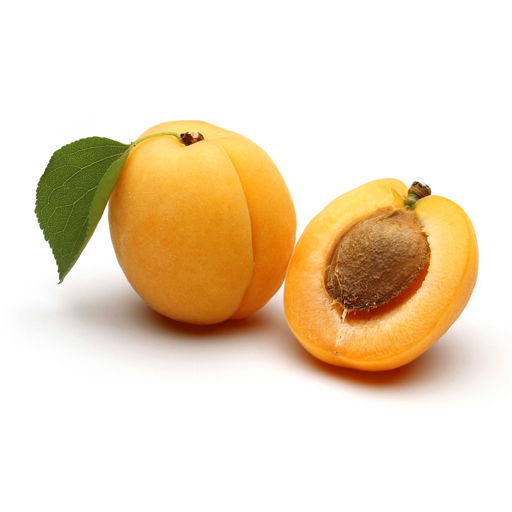
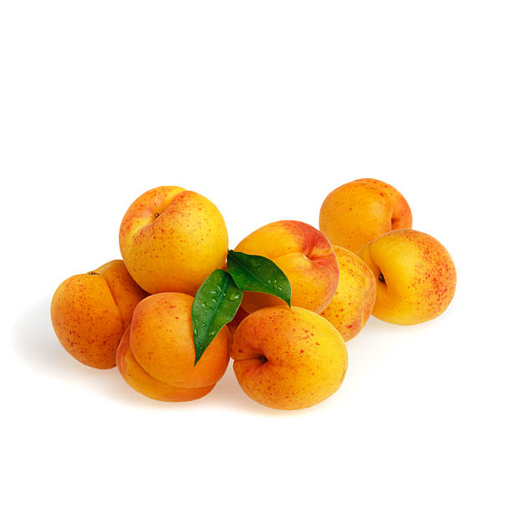
Apricot, (Prunus armeniaca), stone fruit of the family Rosaceae (order Rosales), closely related to peaches, almonds, plums, and cherries. Apricots are cultivated throughout the temperate regions of the world, especially in the Mediterranean. They are eaten fresh or cooked and are preserved by canning or drying. The fruit is also widely made into jam and is often used to flavour liqueurs. Dried apricots are an excellent source of iron.
Iran ranks 5th in the world in the production of apricot. Apricots have been cultivated in Persia since antiquity, and dried ones were an important commodity on Persian trade routes. Apricots remain an important fruit in modern-day Iran. In the old time in Iran apricot has not been used as a fresh fruit, although been consummed as dried fruit during winter time to compensate the lack of other fruits.
They’re extremely nutritious and have many health benefits, such as improved digestion and eye health.
Apricots are a great source of many antioxidants, including beta carotene and vitamins A, C, and E. Apricots are an excellent source of beta carotene, lutein, zeaxanthin, and vitamins C and E. These nutrients protect your eyes against damage.
One cup (165 grams) of sliced apricots provides 3.3 grams of fiber, which is 8.6% and 13.2% of the DV for men and women, respectively.
Potassium aids nerve signaling, muscle contractions, and fluid balance. Eating potassium-rich foods, such as apricots, may help prevent high blood pressure and reduce your risk of stroke.
Apricots are naturally high in water, which is important for staying hydrated. Proper hydration is vital for several aspects of health, including blood pressure and heart rate.
In two rat studies, apricots were found to protect the liver from oxidative stress caused by the ingestion of alcohol. Yet, human studies are needed.
Reviews
There are no reviews yet.