
Description
HONEYDEY MELON
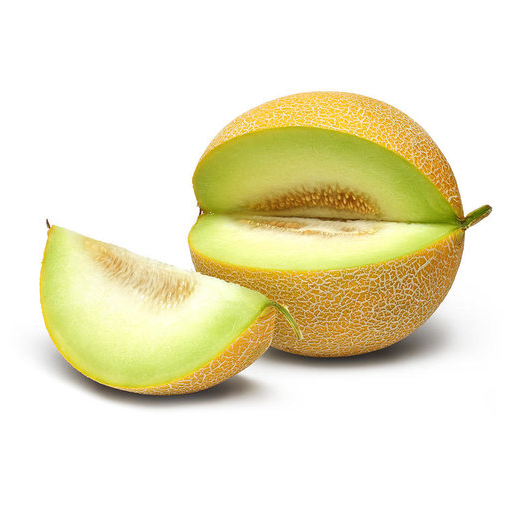
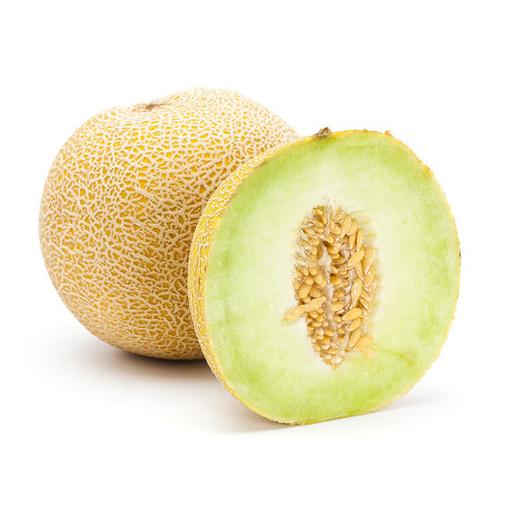
Honeydew melon, or honeymelon, is a fruit that belongs to the melon species cucumis melo (muskmelon). A honeydew has a round to slightly oval shape.
The sweet flesh of honeydew is typically light green, while its skin has a white-yellow tone. Its size and shape are similar to that of its relative, the cantaloupe. Honeydew melon is about 90% water and contains electrolytes, such as potassium, magnesium, sodium and calcium
Honeydew melon is available worldwide and can be eaten by itself or used in desserts, salads, snacks and soups.
Though its greatest appeal may be its flavor, honeydew is also nutritious and may provide several benefits.
The honeydew fruit and seeds also contain compounds with strong antioxidant capacity, including beta-carotene (pro-vitamin A), phytoene, quercetin and caffeic acid
Honeydew melon contains a wide variety of nutrients and plant compounds that may be responsible for its many potential health benefits.
As honeydew melon is a low-sodium and potassium-rich fruit, it may help you maintain healthy blood pressure levels.
If you’re looking to increase your potassium intake, try adding honeydew to your diet. It’s a good source of potassium, with a 1-cup (177-gram) serving providing 12% of the RDI.
Honeydew melon contains several nutrients that are vital for repairing and maintaining strong bones, including folate, vitamin K and magnesium.
In particular, the melon is a good source of folate — with 1 cup (177 grams) providing 8% of the RDI. Folate is essential for the breakdown of homocysteine — elevated levels of which have been linked to reduced bone mineral density over time.
Eating honeydew melon may support healthy skin due to its high vitamin C content.
Honeydew melon contains lutein and zeaxanthin, two antioxidants that are known to support healthy eyes and vision.
Reviews
There are no reviews yet.