

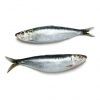
Description
Fish
Fish is among the healthiest foods on the planet.
It’s loaded with important nutrients, such as protein and vitamin D.
Fish is also a great source of omega-3 fatty acids, which are incredibly important for your body and brain.
Fish is packed with many nutrients that most people are lacking.
This includes high-quality protein, iodine, and various vitamins and minerals.
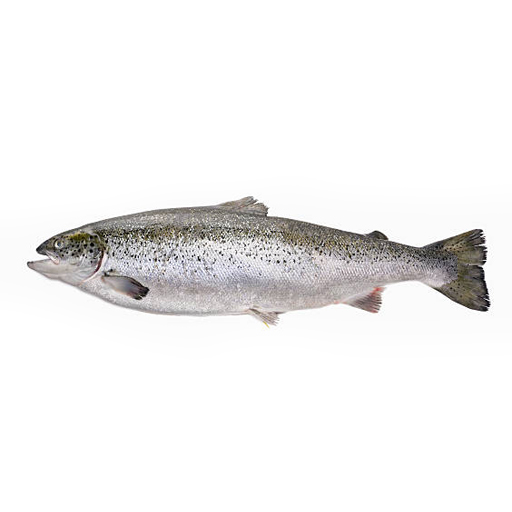
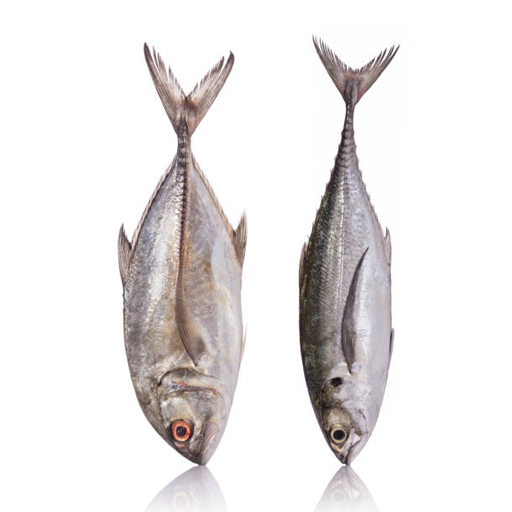
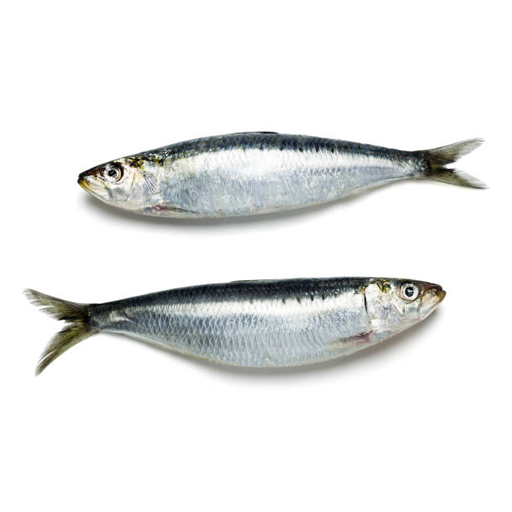
Fatty species are sometimes considered the healthiest. That’s because fatty fish, including salmon, trout, sardines, tuna, and mackerel, are higher in fat-based nutrients.
This includes vitamin D, a fat-soluble nutrient that many people are lacking.
Fatty fish also boast omega-3 fatty acids, which are crucial for optimal body and brain function and strongly linked to a reduced risk of many diseases
Eating at least one serving of fish per week has been linked to a reduced risk of heart attacks and strokes.
Fish is high in omega-3 fatty acids, which is essential for brain and eye development. It’s recommended that pregnant and breastfeeding women get enough omega-3s but avoid high-mercury fish.
Fish intake is linked to reduced mental decline in older adults. People who eat fish regularly also have more gray matter in the brain centers that control memory and emotion.
Omega-3 fatty acids may combat depression both on their own and when taken with antidepressant medications.
Fatty fish is an excellent source of vitamin D, an important nutrient in which over 40% of people in the United States may be deficient.
Eating fish has been linked to a reduced risk of type 1 diabetes and several other autoimmune conditions.
Some studies show that children who eat more fish have a lower risk of asthma.
People who eat more fish have a much lower risk of AMD, a leading cause of vision impairment and blindness.
Preliminary evidence indicates that eating fatty fish like salmon may improve your sleep.
Reviews
There are no reviews yet.