
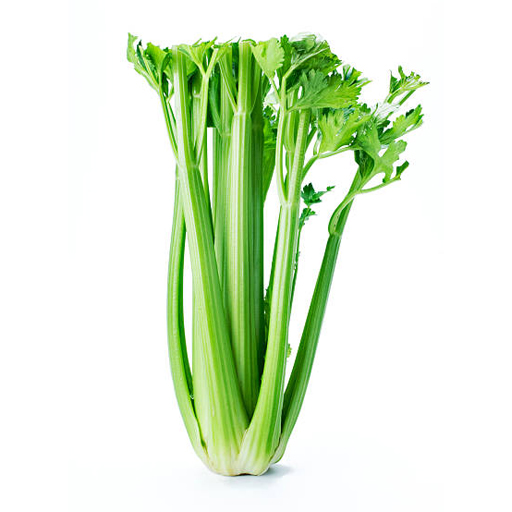
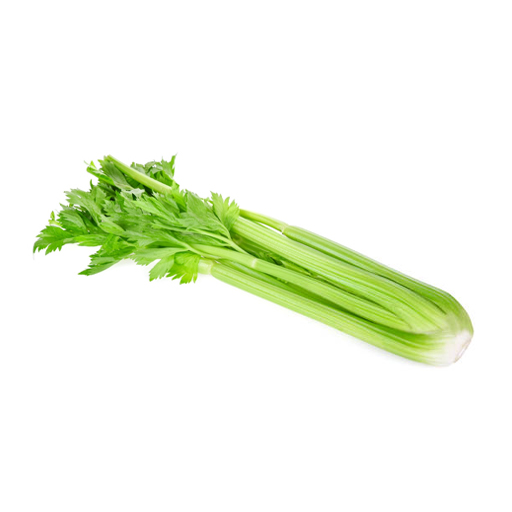

Description
Celery
Celery is part of the Apiaceae family, which includes carrots, parsnips, parsley, and celeriac. Its crunchy stalks make the vegetable a popular low-calorie snack, and it may provide a range of health benefits.
The fiber in celery can benefit the digestive and cardiovascular systems. Celery also contains antioxidants that may play a role in preventing disease.
Celery contains a plant compound called apigenin, which plays a role in traditional Chinese medicine as an anti-inflammatory, antibacterial, antiviral, and antioxidant agent.
Some practitioners of Chinese medicine use celery and celery extracts to reduce blood pressure.
Hyperlipidemia refers to an increase in fatty molecules in the blood. There are often no symptoms, but it raises the long-term risk of heart disease and stroke.
Apigenin may also stimulate neurogenesis, the growth and development of nerve cells.
Celery is rich in vitamins and minerals with a low glycemic index.
With minerals like magnesium, iron, and sodium, celery can have a neutralizing effect on acidic foods — not to mention the fact that these minerals are necessary for essential bodily functions.
A stick of celery also provides small amounts of vitamin K, folate, vitamin A and potassium.
Raw vegetables usually contain more nutrients than cooked ones. Steaming celery for 10 minutes may not affect the antioxidant contents significantly, but boiling celery may do so, according to one study.
Reviews
There are no reviews yet.