

Description
Cantaloupe
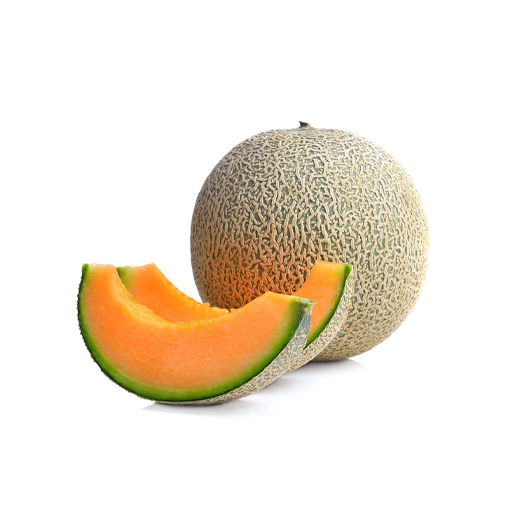
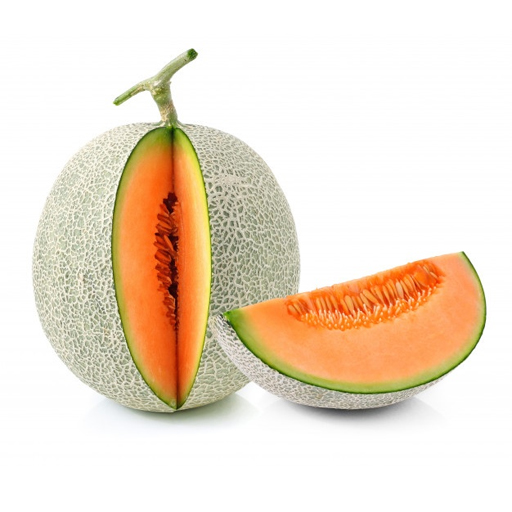
Cantaloupe melon makes a refreshing snack in the summer, and it contains nutrients that can benefit a person’s health.
Popular with children and adults, cantaloupe can make a refreshing, healthful, and easy summer dessert, while their high water content helps prevent dehydration.
Other names for cantaloupe include muskmelon, mush melon, rock melon, and Persian melon. They are a member of the Cucurbitaceae family, along with honeydew melons, watermelons, and cucumbers.
This type of fruit also contains a variety of vitamins, minerals, and antioxidants.
Iran ranks 5th in the world in the produced of cantaloupe. In 2016, global production of melons, including cantaloupes, totaled 31.2 million tons, with China accounting for 51% of the world total (15.9 million tons).[8] Other significant countries growing cantaloupe were Iran, Egypt, and India producing 1 to 1.9 million tons, respectively.
Cantaloupe is normally eaten as a fresh fruit, as a salad, or as a dessert with ice cream or custard. Melon pieces wrapped in prosciutto are a familiar antipasto. The seeds are edible and may be dried for use as a snack
Raw cantaloupe is 90% water, 8% carbohydrates, 0.8% protein and 0.2% fat, providing 140 kJ (34 kcal) and 2020 μg of the provitamin A orange carotenoid, beta-carotene per 100 grams. Fresh cantaloupe is a rich source (20% or more of the Daily Value or DV) of vitamin C (44% DV) and vitamin A (21% DV), with other nutrients in negligible amounts (less than 10% DV)
Reviews
There are no reviews yet.