
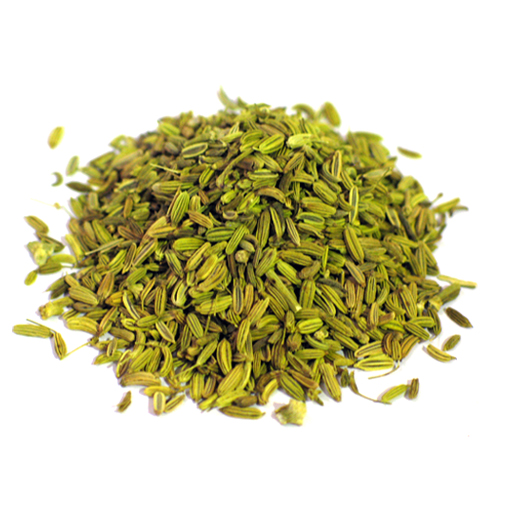
Description
Cumin
Cumin is a flowering plant in the family Apiaceae, native to southwestern Asia including the Middle East. around 300,000 tons of cumin per year are produced worldwide. In Iran, cumin seed is mainly Produced in the Khorasan Province with around 4,000 hectares of area under Cultivation and estimated Production of 15,000 Metric Tons. In Iran, cumin seed is mainly Produced in the Khorasan Province with around 4,000 hectares of area under Cultivation and estimated Production of 15,000 Metric Tons.
The most common traditional use of cumin is for indigestion. For example, it may increase the activity of digestive enzymes, potentially speeding up digestion. It may also reduce symptoms of irritable bowel syndrome.
Many people around the world don’t get enough iron. Cumin is very dense in iron, providing almost 20% of your daily iron in one teaspoon.
Free radicals are lone electrons that cause inflammation and damage DNA. Cumin contains antioxidants that stabilize free radicals.
Cumin supplements may help improve blood sugar control, though it is not clear what causes this effect or how much is needed.
Cumin supplements have improved blood cholesterol in multiple studies. It is unclear if using cumin in small amounts as a seasoning has the same benefits.
Concentrated cumin supplements have promoted weight loss in multiple studies.
Cumin’s traditional use as a seasoning may restrict the growth of infectious bacteria and fungi. This may reduce food-borne illnesses.
Reviews
There are no reviews yet.