


Description
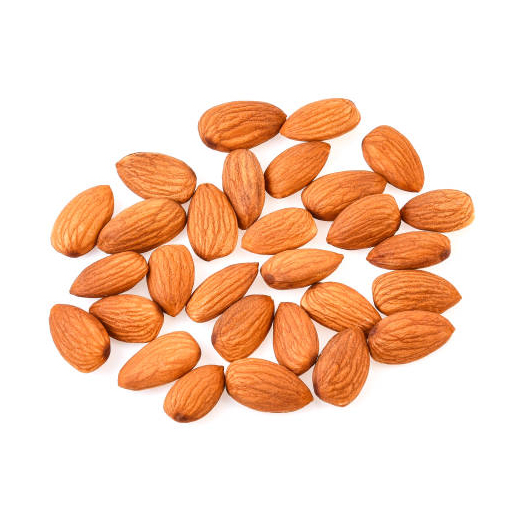
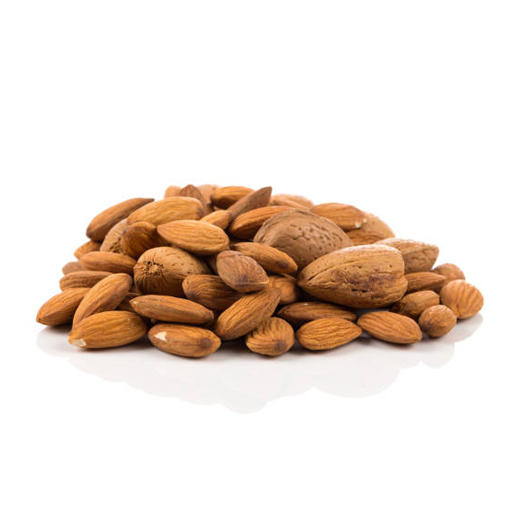
Almond
Almonds contain vitamins, minerals, protein, and fiber, and so they may offer a number of health benefits. Almonds are among the world’s most popular tree nuts.
The almond is a species of tree native to Iran and surrounding countries but widely cultivated elsewhere. Historically, almond trees grew there wild and were later cultivated as early as 3000 BC. Iranian Almonds, such as walnuts and pistachios, are delicious Iranian nuts that have many health benefits.
Almond is popular nuts and dried fruit in the world. Almonds are one of the most important dry crops in Iran.
Iran is a country of four seasons, and agricultural crops are cultivated in all its seasons. Also, Iran has a special status among nuts exporters.
Iran is fifth in the global production of almond. So, what is the difference between Iranian and American almonds? The genetic changes made on California almond seedlings cause the almonds to have a thin, papery skin. But Iranian almonds are almonds that are thinner and flavorful.
Almonds are high in antioxidants that can protect your cells from oxidative damage, a major contributor to aging and disease. Almonds are among the world’s best sources of vitamin E. Getting plenty of vitamin E from foods is linked to numerous health benefits.
Nuts are low in carbs but high in healthy fats, protein and fiber.
This makes them a perfect choice for people with diabetes.
Another boon of almonds is their remarkably high amount of magnesium.
Eating one or two handfuls of almonds per day can lead to mild reductions in “bad” LDL cholesterol, potentially reducing the risk of heart disease.
Studies show that eating almonds and other nuts can increase fullness and help you eat fewer calories.
Some studies even suggest the opposite, showing that almonds can enhance weight loss.
Reviews
There are no reviews yet.