
Description
walnut
They originated in the Mediterranean region and Central Asia and have been part of the human diet for thousands of years. Iran ranks 3rd in the world in the production of walnut. Kerman, Hamedan, Lorestan, Kohgilouyeh-Boyerahmad and Kermanshah are the main walnut-producing provinces in Iran.
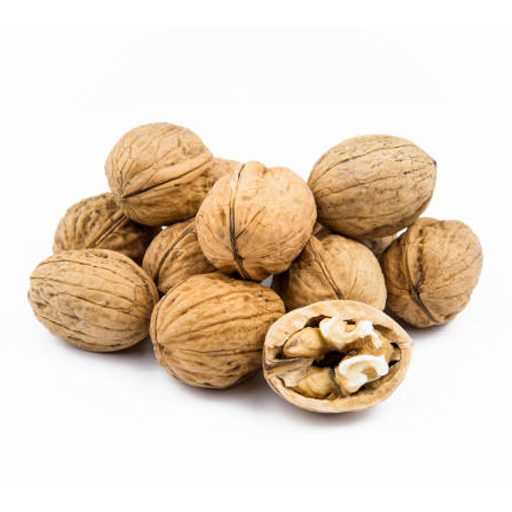
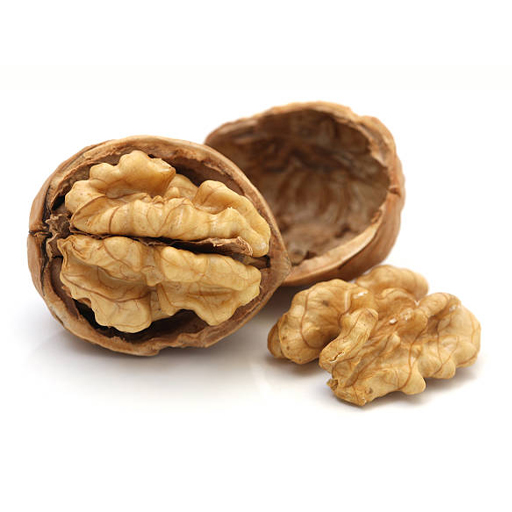
Walnuts are a wrinkly, globe-like nut that is the fruit of the walnut tree. They grow in a hard shell, which when opened reveals the walnut. This is then split in two and hence you will be familiar with seeing them as flat segments. Walnuts are usually eaten raw or roasted. Walnuts are most often eaten on their own as a snack but can also be added to salads, pastas, breakfast cereals, soups, and baked goods.
Like all nuts, walnuts contain good fats, such as monounsaturated and polyunsaturated fats (PUFAs), but they are also a valuable vegetarian source of the essential fatty acid omega-3. They also contain iron, selenium, calcium, zinc, vitamin E and some B vitamins.
Walnuts contain important phytochemicals as well as high amounts of polyunsaturated fats which do offer potential benefits for both brain health and brain function.
Omega-3, found in walnuts, is important in the development and function of the central nervous system. There has been positive research and clinical evidence to indicate that omega-3 fatty acids could well play a role in certain mood disorders.
There has been some evidence to demonstrate that consuming walnuts in the place of other foods does not cause weight gain even though they are energy rich, offering a great snack alternative for those looking to manage their weight.
A recent animal study has shown that consuming walnuts can enrich the gut microbiome and increase particular good bacteria strains, which could offer benefits to humans with more research.
Walnuts are made up of 65% fat and about 15% of protein. They’re low in carbs — most of which consist of fiber.
Like other nuts, most of the calories in walnuts come from fat. This makes them an energy-dense, high-calorie food.
Walnuts are also richer than most other nuts in polyunsaturated fats. The most abundant one is an omega-6 fatty acid called linoleic acid.
Walnuts are one of the richest dietary sources of antioxidants. These include ellagic acid, ellagitannins, catechin, and melatonin.
Phytic acid may impair mineral absorption, though this is usually of no concern to people who eat a balanced diet.
Reviews
There are no reviews yet.